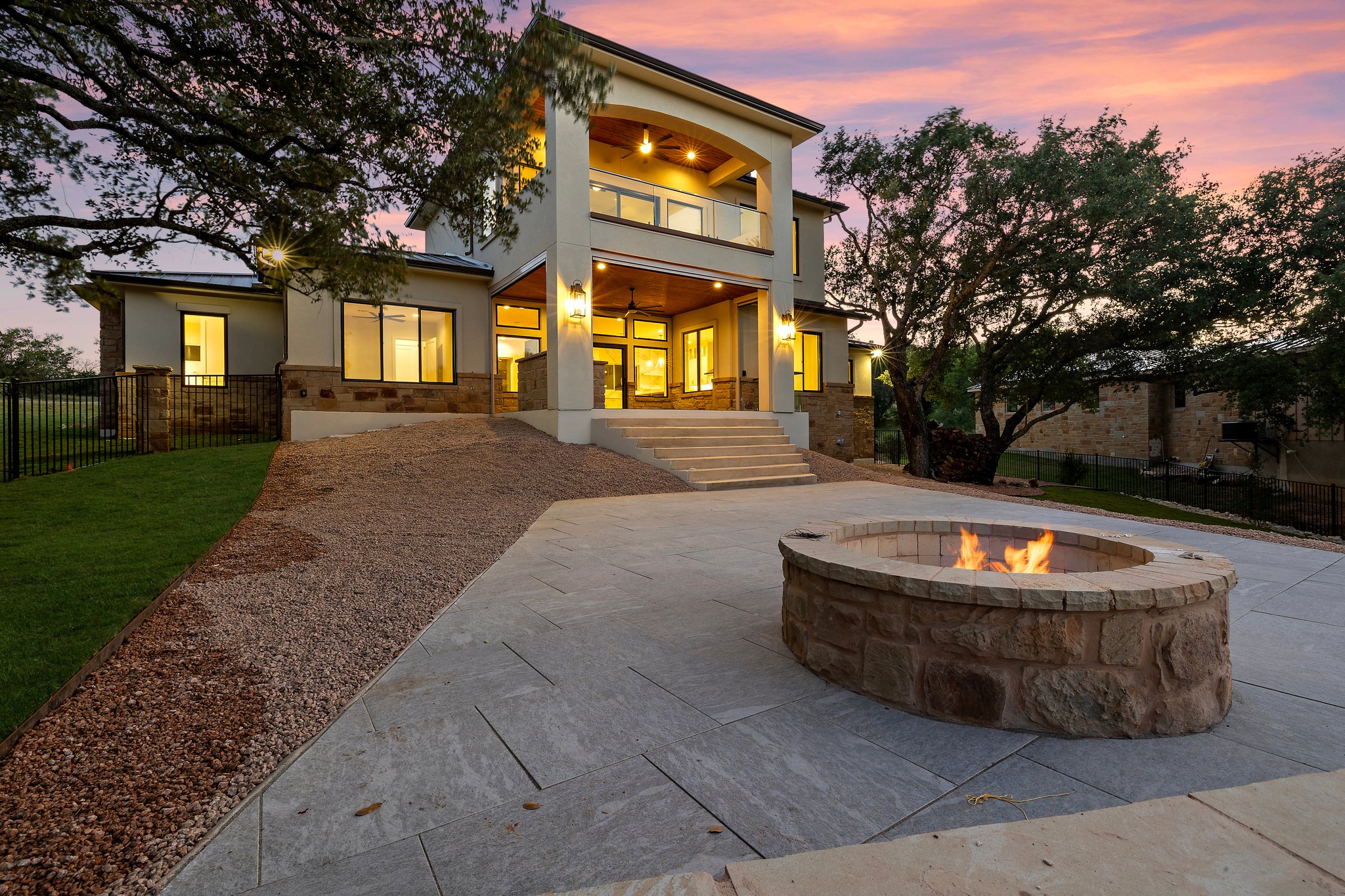
Horseshoe Bay, Texas · Build on your lot
Build on your lot in Horseshoe Bay.
The Hideaway · Horseshoe Bay, Texas
Begin with the property
A home starts with its setting.
A lot is more than a place to put a floor plan. Its shape, slope, trees, access, and outlook influence the rooms you can create and the work it takes to build them. Those questions belong at the beginning of a custom home project.
Lucas Anthony works with land you already own and can begin a conversation while you are considering a property. Bring the address, your priorities, and the questions you have. Finished plans are not a prerequisite.
01 — Before you commit
Look beyond the view.
A beautiful outlook is a reason to love a property. Understanding how the home will sit on it is a separate step. Compare the land and the home you want together, especially before committing to a purchase or a design.
Use this checklist to organize what you know and what still needs to be established. Some answers require current documents or advice from the appropriate surveyor, engineer, utility provider, or reviewing authority.
Boundaries and usable space
Gather an available survey and recorded property information. Identify easements and confirm which setbacks or other restrictions apply before assuming the entire lot can be built on.
Slope, rock, and drainage
Consider where the house, driveway, and outdoor rooms could sit. Changes in elevation can affect access, foundation design, excavation, and retaining work.
Services and access
Check what is known about water, wastewater, power, and other connections. Think about the route from the street to the home, as well as access during construction.
Light, views, and privacy
Consider morning and afternoon light, neighboring homes, existing trees, and the outlook from the rooms you will use most. A view from the lot is not automatically the view from a future room.
Property-specific requirements
Identify the applicable community documents and approval contacts. Confirm requirements for your particular parcel rather than relying on a nearby home as a precedent.
The whole outdoor plan
Allow space for the driveway, parking, terraces, landscaping, and any pool or outdoor kitchen you are considering. These decisions affect the site plan and the total budget.
02 — Shape the brief
Describe the way you want to live.
The most useful early brief explains what matters in daily life. Tell us whether this will be a full-time residence or a second home, how you entertain, who visits, and which spaces need to feel connected or private.
Separate essential needs from ideas you are still exploring. A main-level primary suite, space for visiting family, a sheltered terrace, or an easy route from the garage to the kitchen can guide design more clearly than a target square footage alone.
Bring what you have
The property address, available survey, community information, sketches, and a few reference photographs can make the conversation more specific. It is fine if some of those pieces are still missing.
Name your priorities
Choose the spaces, materials, and experiences that matter most. Explain which parts of the home you would protect if the design or budget needs to change.
Discuss investment and timing
Share the overall investment you are considering, whether it includes land, and any dates that influence your plans. Design, approvals, construction, and furnishing each need to be considered.
03 — Coordinate the decisions
Land, design, and construction belong together.
Lucas Anthony brings architecture, interiors, and construction into a coordinated design-build process. The aim is to develop the home around your priorities and its setting, with the project scope and material selections considered along the way.
As the design becomes more specific, revisit the site plan and budget together. Moving a room, adding a large opening, or extending a terrace can affect more than the floor plan. Understanding those connections helps you make deliberate choices before construction.
If you already own a lot
Start with the property information and your plans for the home. Existing drawings or early ideas can help explain what you are trying to achieve.
If you are still looking
Share the properties you are considering and the kind of home you hope to build. Keep the land purchase and the expected work on the site in the same budget conversation.
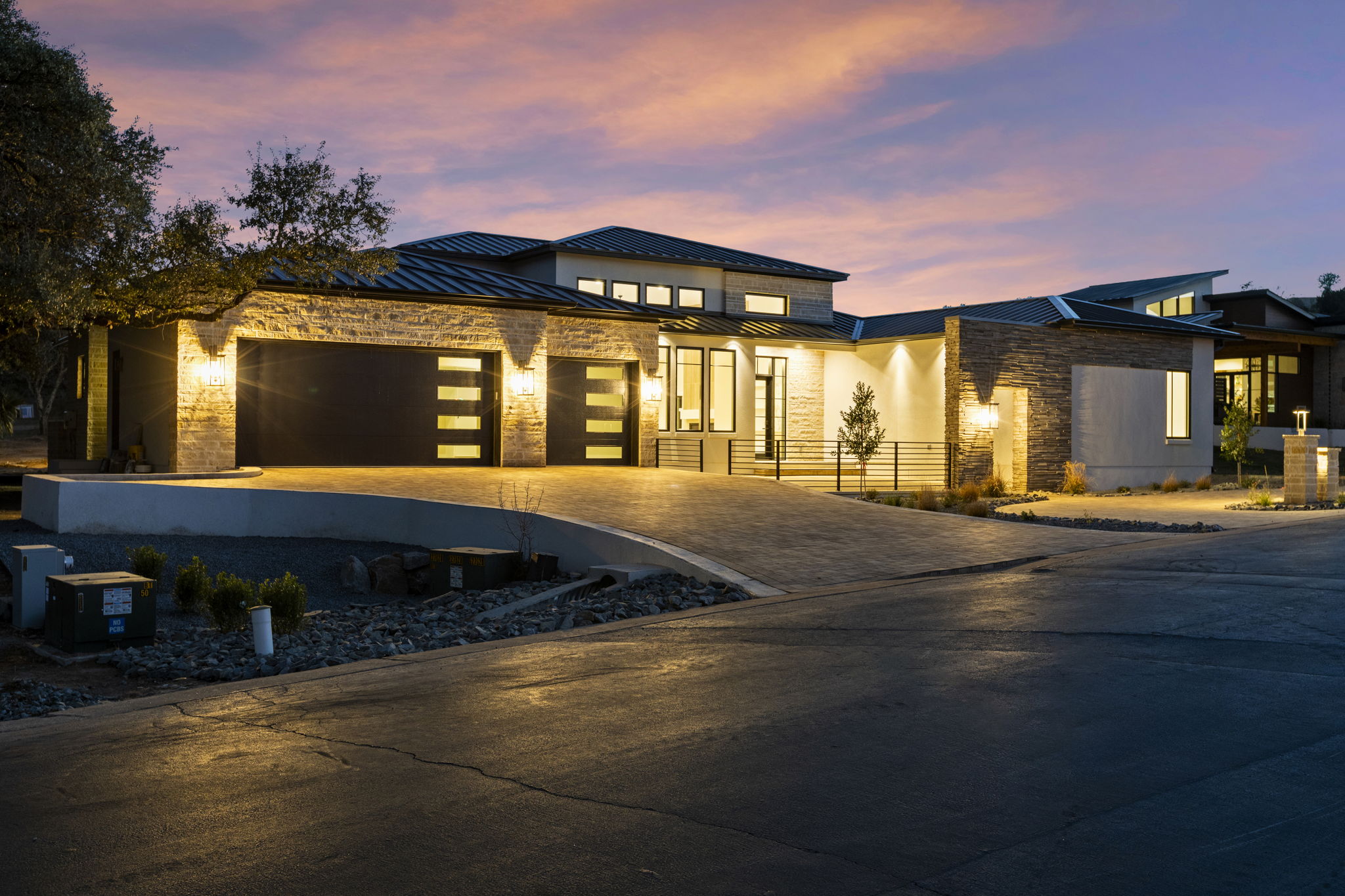
Selected Lucas Anthony residences
See how a home meets its site.
Before you begin
A few useful questions.
Can Lucas Anthony build on a lot I already own?
Yes. Our process can begin with land you already own. Share the location and what you hope to build so we can discuss the property, your priorities, and the next steps for the project.
Should I buy land before speaking with a builder?
You can start the conversation before purchasing a lot. Considering the site, intended home, and overall budget together can help you identify questions to resolve before committing to the property.
Do I need architectural plans to get started?
No. You can begin with an address, a list of priorities, or the beginning of an idea. If you already have drawings, share them so we can understand the direction you have explored.
Can the same design work on any Horseshoe Bay lot?
A design needs to be considered against the actual property. Lot dimensions, elevation, orientation, access, and applicable requirements can change how the home is positioned and planned.
What should my early budget include?
Keep the land purchase, site work, professional services, home construction, exterior spaces, and furnishing needs visible as separate parts of the overall project. Clarify what is included whenever you compare a proposal or a price per square foot.
Lucas Anthony Design & Build
Bring your land. Start a conversation.
Already own a lot, or considering one in Horseshoe Bay? Tell us about the property and the home you have in mind.
Discuss your property